
Orthodontics /
Does my child need braces? Why the answer may come sooner than you think
 Dr. Vanessa MachucaPediatric dentistry · Dentalist Kids3 min read
In short
- Jaw orthopedics guides how the jaws grow; orthodontics moves teeth once growth is finished.
- The first assessment is best around age six or seven.
- At that age, most kids don’t need treatment, just checkups every six or twelve months.
“He’s still little, isn’t he? I’ll bring him in once all his teeth are in.” I hear that a lot, and it almost always comes from good reasoning: if braces go on permanent teeth, why come in earlier?
The problem is that this logic mixes up two different things. And mixing them up costs you a window that never opens again.
Jaw orthopedics and orthodontics aren’t the same
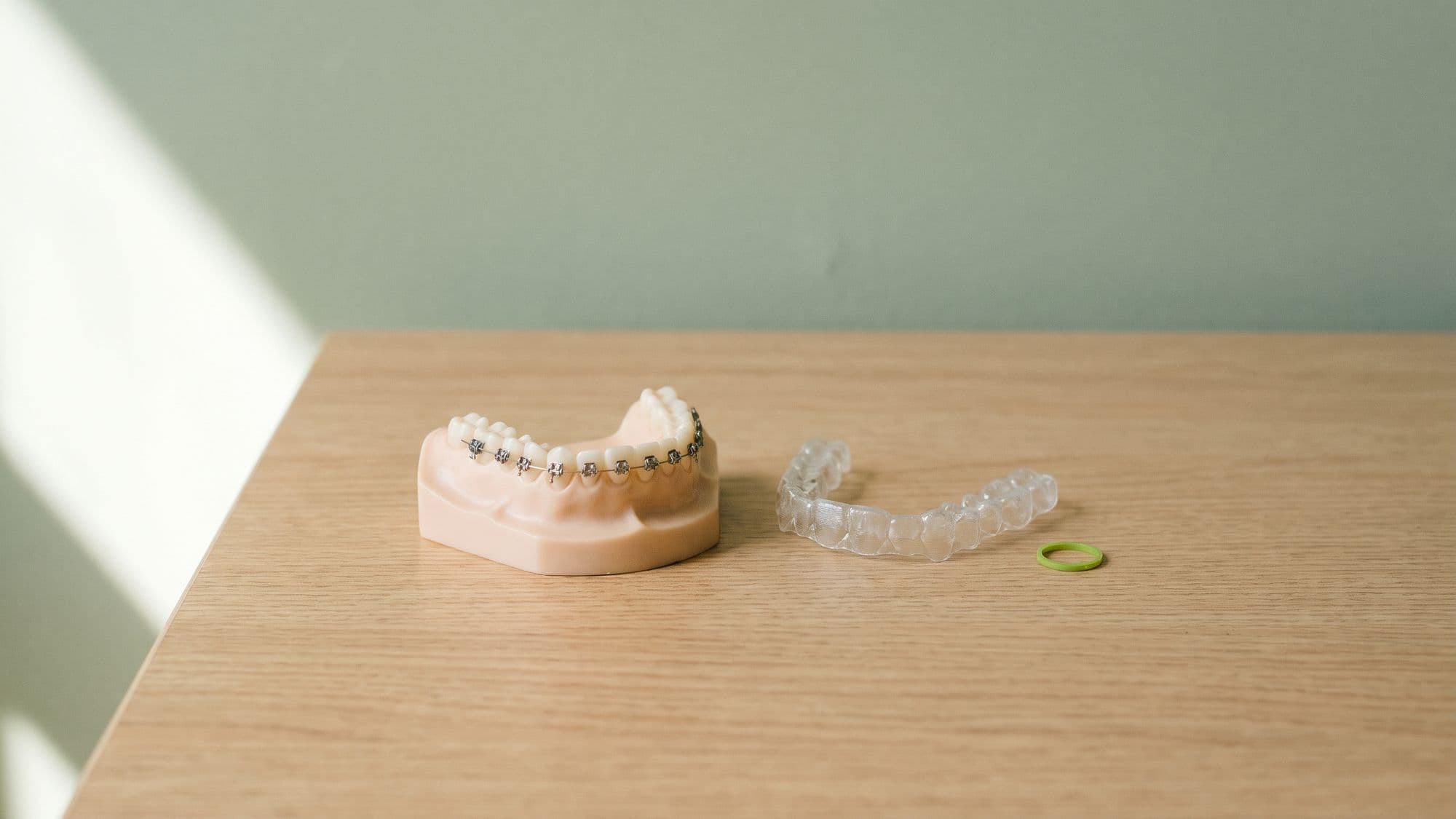
Orthodontics moves teeth. It lines them up within the bone that’s already there, and it’s done when growth is practically finished. That’s the braces or clear aligners we all know.
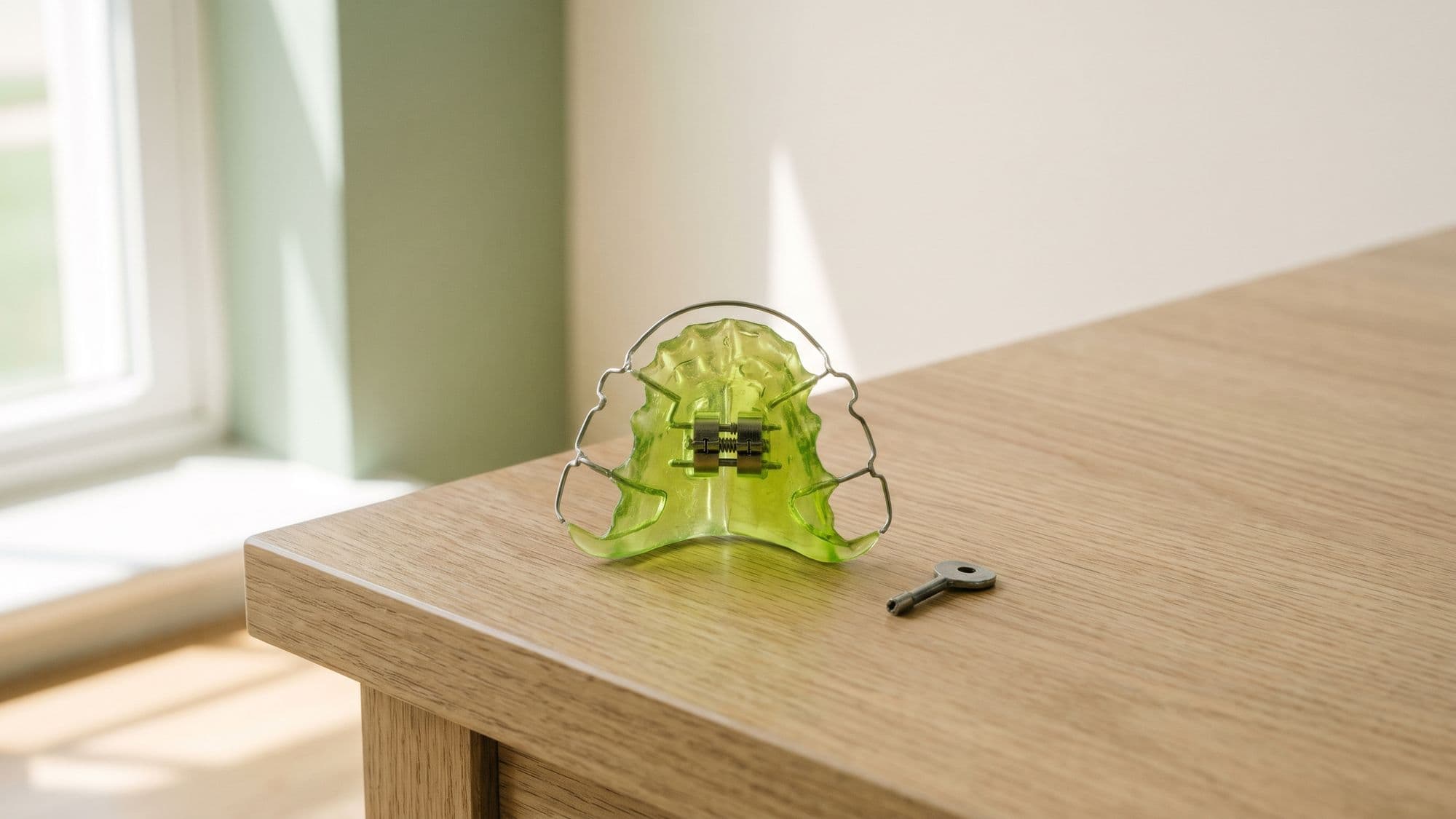
Jaw orthopedics does something different: it takes advantage of the fact that the child is still growing to guide the shape and size of the jaws. It doesn’t line up teeth; it prepares the ground where those teeth will fit.
The difference is fundamental. Widening a narrow palate in an eight-year-old is relatively simple, because the bone hasn’t fused yet. In a sixteen-year-old, the same problem may require extractions and, in severe cases, surgery. It’s the same diagnosis with two solutions of very different difficulty, and the only thing that changed was the timing.
Signs it’s worth getting checked early
You don’t have to be a specialist to notice several of these. If you recognize any of them, an assessment is worth it:
- Breathes through the mouth or sleeps with the mouth open, snores or drools on the pillow.
- The upper teeth bite inside the lower ones on one side (crossbite), or the jaw shifts to one side when closing.
- You can’t see the lower teeth when they bite down, because the upper ones cover them completely.
- Still sucks their thumb after age four.
- Permanent teeth come in very crowded or get stuck.
- Lost a baby tooth very early because of a cavity or an injury.
That last point is very underestimated. Baby teeth aren’t just for chewing: they hold the spot for the permanent tooth coming in underneath. When one is lost too early, the neighboring teeth shift over and take up that space. A simple space maintainer prevents that, but only if it’s caught in time.
At what age
The first assessment is best around age six or seven. Not to put anything in, but to see how the jaws relate to each other just as the first permanent teeth start coming in.
That visit leads to one of three possible answers, and the most common is the third.
And sometimes the right call is to do nothing
I want to make this very clear, because the message “bring them in early” can be read as “start treatment early,” and those aren’t the same thing.
Most of the children I assess at age seven don’t need treatment that year. They need monitoring: seeing them every six or twelve months as they grow, so we can step in at exactly the moment it helps. Many things that look crooked at that age straighten out on their own as the teeth change.
Treating too early has its own cost: appliances the child wears for years longer than needed, a worn-out family and, sometimes, results that have to be redone later. A good specialist will tell you “not yet” more often than “let’s start.”
That’s why the recommendation isn’t to treat at seven. It’s to look at seven, so the decision to treat is made with information, not in a hurry.
Written by
Dr. Vanessa Machuca
Pediatric dentistry specialist. With years of experience in dentistry, she’s dedicated to sharing what she knows to improve her patients’ dental health.
View profile