
Treatments /
Root canals without fear: the pain comes before the treatment, not during it
 Dr. Vanessa MachucaPediatric dentistry · Dentalist Kids3 min read
In short
- What hurts is the infection that leads to the root canal; with anesthesia, the appointment feels like a long filling.
- If it stops hurting, that doesn’t mean it healed: the infection can keep spreading toward the bone.
- You almost always need a crown afterward, so the tooth doesn’t fracture.
Few words in dentistry get the reaction that “root canal” does. People tense up before you’ve even finished the sentence, and its reputation comes from a time when techniques and anesthetics were different.
I want to start with what changes people’s minds the most: the pain people associate with a root canal is the pain that brought them to the root canal. Not the pain of the treatment.
Why it hurts before, not during
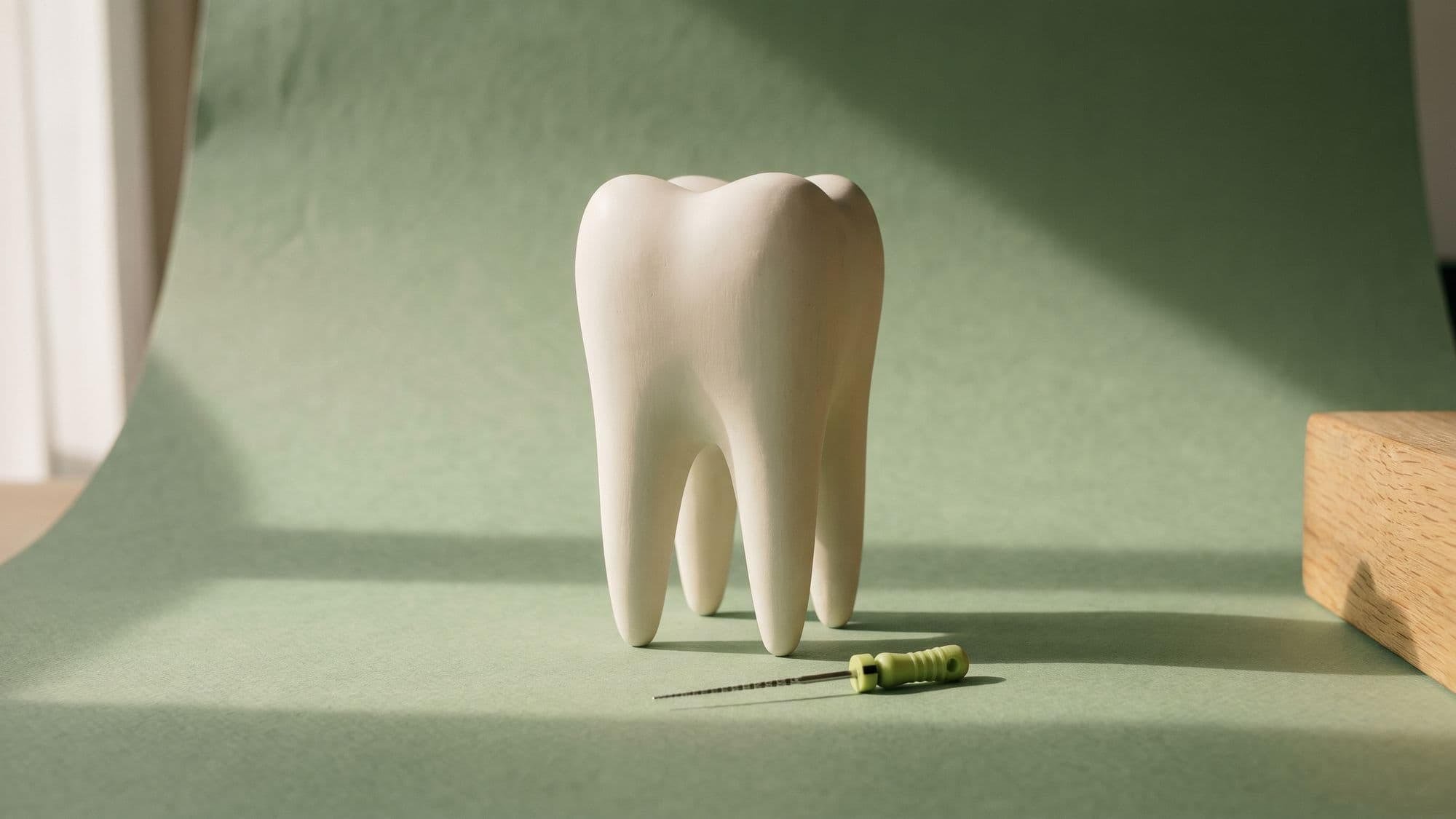
Inside every tooth there’s soft tissue—the pulp—with nerves and blood vessels, enclosed in a rigid space of dentin that doesn’t give.
When bacteria reach it, that tissue becomes inflamed. And since it’s trapped in a space that can’t expand, the pressure builds and squeezes the nerve. That’s the classic toothache: intense, throbbing, able to wake you up in the middle of the night and not let up with painkillers.
A root canal is precisely about removing that inflamed tissue, cleaning out the canals and sealing them. In other words, it’s what removes the source of the pain. With proper anesthesia, the appointment feels a lot like a long filling. What people remember as unbearable was the week before.
When you need one
The typical signs are:
- Spontaneous pain that comes on when you’re not eating, especially at night.
- Lingering sensitivity to heat: not the quick twinge that goes away, but the kind that keeps hurting for a while afterward.
- Pain when you bite or touch the tooth.
- A tooth that turns darker than the ones next to it, often years after an injury.
- A small bump on the gum near the root that sometimes drains and goes away on its own. That’s not a good sign: it’s an infection looking for a way out.
One detail confuses a lot of people: when the nerve dies completely, the pain goes away. Many patients take that to mean they’re cured. They’re not. What comes next is an infection that spreads toward the bone, usually without symptoms, until it forms an abscess.
What happens at the appointment
First, the tooth is numbed and isolated with a rubber dam, the thin sheet that separates the tooth from the rest of your mouth. That’s no minor detail: it keeps the area clean and keeps saliva out, which is what ruins a treatment.
An opening is made through the top of the tooth, the tissue is removed from the canals, and the canals are cleaned and shaped with very fine files while being rinsed with disinfecting solutions. Then they’re sealed with a material that keeps bacteria from moving back in.
It can be done in one or two visits, depending on the infection and the tooth’s anatomy. Molars have several canals, and some are curved, so they take longer.
There’s one more step, and it’s underestimated
A tooth with a root canal no longer has its blood supply and, above all, has been weakened by the decay and by the opening. That makes it more fragile.
That’s why, except for front teeth with little damage, you almost always need a crown afterward. It’s not an optional extra the dentist is upselling: it’s what keeps the tooth from fracturing months later and all the work being lost. When someone tells me “the molar I had a root canal on broke,” that step is almost always missing.
What if I just have it pulled?
It’s a fair question, and sometimes extraction is the right answer: when the tooth is too badly damaged or fractured at the root.
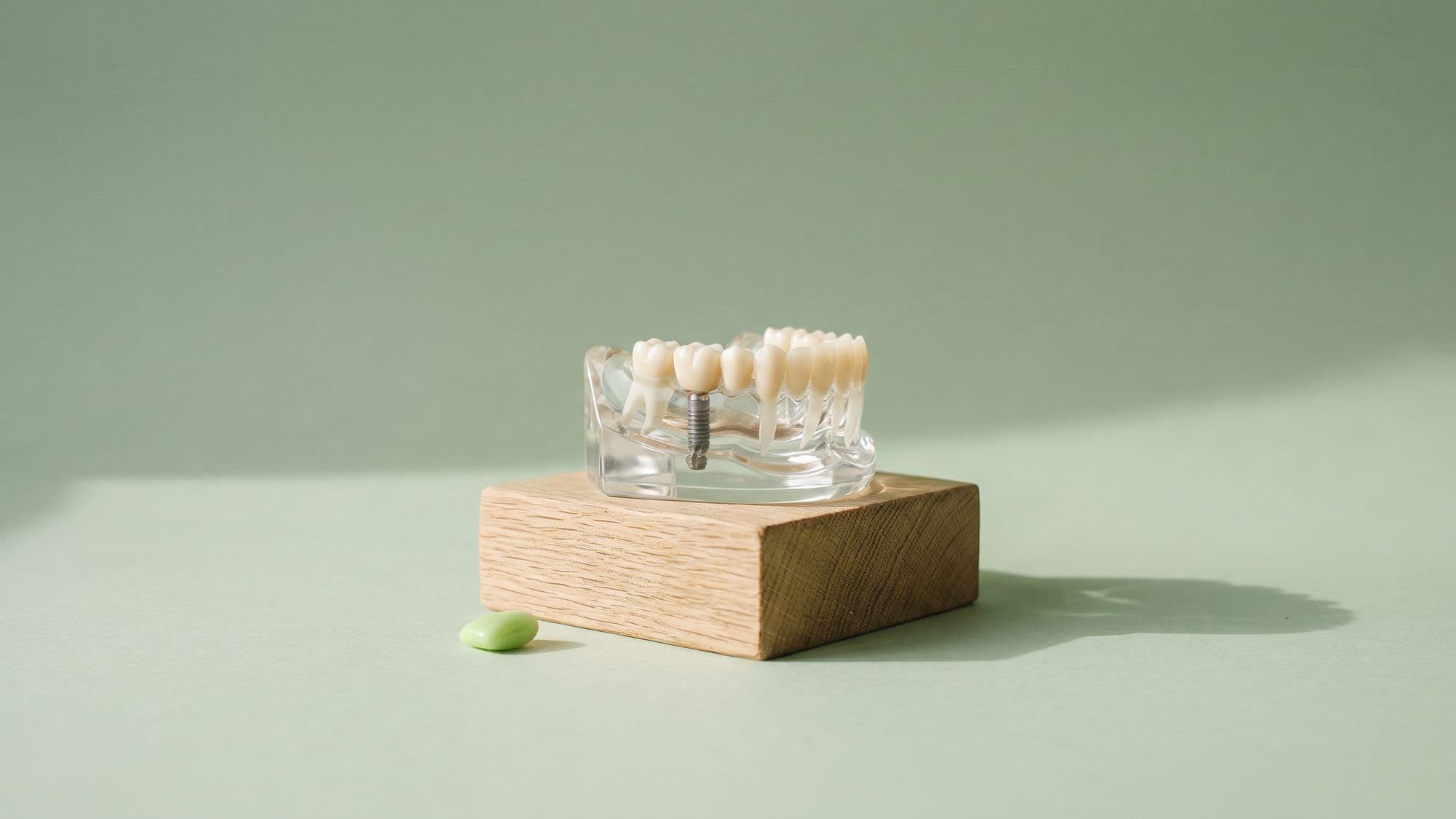
But when the tooth can be saved, keeping it almost always wins. Your natural tooth preserves the bone, keeps the neighboring teeth in place and doesn’t need anything to replace it. And if you compare costs honestly, extraction plus implant plus crown usually costs more than a root canal plus a crown.
If you have a tooth in this situation, the worst plan is to wait for it to stop hurting. That silence isn’t improvement: it almost always means the problem has moved on to the next stage.
Written by
Dr. Vanessa Machuca
Pediatric dentistry specialist. With years of experience in dentistry, she’s dedicated to sharing what she knows to improve her patients’ dental health.
View profile